
An AAC assessment is a process of understanding communication and exploring useful supports. It is more than a test or a decision about which tablet to buy.
Your priorities matter
The person’s own goals and preferences help guide the process. Family members, support people and other professionals may also contribute, with appropriate consent.
Think about what the person wants to communicate in everyday life. This might include making choices, saying yes or no, sharing preferences, asking for favourite items, foods or TV shows, telling jokes, or talking about their interests.
Communication also includes protesting, refusing and advocating for yourself—for example, saying “I don’t want to” or asking for a break. Supporting these messages gives the person more ways to express discomfort and be understood. AAC can also help someone understand and communicate about transitions between activities. What is already working, and what could be easier?
Exploring a fit
Assessment may consider language, movement, vision, hearing and ways to access a system. It also considers everyday environments and the people who support communication.
In sessions, we explore and compare options using my comprehensive range of AAC tools. This gives the person opportunities to try different communication systems, vocabulary layouts and access methods, with support to learn how each one works.
Where appropriate, I can arrange a three-week trial of a speech-generating device through a third-party provider such as Liberator or Zyteq, subject to availability and the provider’s trial terms. A loan device gives the person and their communication partners time to try it in everyday settings, including home and the classroom.
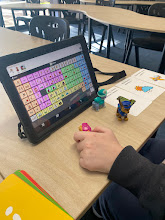
Throughout the trials, we collect data and feedback to evaluate each tool’s effectiveness and fit. We look at the messages the person can communicate, how easily they access the system, the support they need, and how it works across activities and environments. The person’s preferences and feedback from their communication partners help guide comparisons, adjustments and recommendations.
Preparing for the conversation
You can bring questions and a broad picture of the person’s communication. Ask the clinician how to share any relevant records securely. There’s no need to put reports or detailed clinical information into a general website enquiry.
You might ask:
- How will the person’s preferences be included?
- What could a trial involve?
- How will communication partners be supported?
- What will the next steps look like?
The exact process depends on the person and service. Explore Shae’s AAC services to start a conversation about suitability and next steps.
Further reading
This article outlines my approach to AAC assessment. Trial availability, timelines and recommendations depend on the person and the providers involved.